
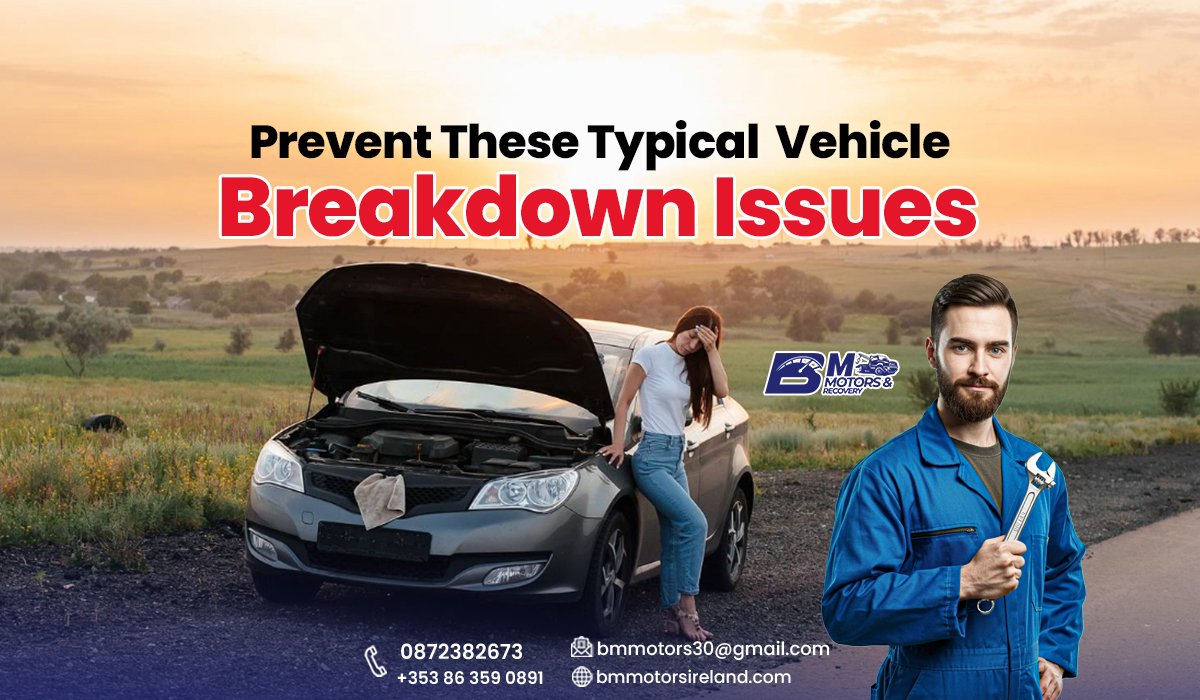
Do you know how a breakdown can massacre a day in your life? This type of mishap happens when your vehicle develops a mechanical issue that stops it from continuing safely, immediately putting you and other road users at risk. By understanding common driver errors and following straightforward safety steps, you can reduce collision risk, stay safer, and get help more efficiently. This is where you need to understand the undeniable significance of vehicle breakdown service in Galway?
This guide explains the typical mistakes drivers make, ways to improve visibility and warning actions, immediate steps on Kent roads, basic maintenance to prevent breakdowns, and when to call for professional recovery. You’ll get clear advice on what to do first, how to warn others, and how to contact roadside help—covering hazard lights, warning triangles, jump starts, and professional recovery.
Common Mistakes Drivers Make During a Breakdown
When a car fails, many drivers react too quickly and lose focus, which can make the situation worse. Panicking, failing to warn approaching traffic, stepping into live lanes, or attempting complex repairs roadside are frequent errors. Recognising these mistakes early helps you stay visible, protect occupants, and call for help safely.
Typical Breakdown Mistakes to Avoid:
➭ Panicking and making abrupt moves, reducing awareness and increasing risk.
➭ Delaying hazard lights makes your vehicle less visible.
➭ Failing to move the vehicle to a safe spot when possible and legal.
➭ Leaving the car and stepping into live traffic.
➭ Attempting complicated roadside repairs instead of calling professionals.
➭ Ignoring early warning lights for battery, oil, or engine issues.
Keeping calm and following a simple, step-by-step plan makes it easier to decide whether to stay in the vehicle, warn others, or call for recovery.
Staying Calm vs. Panicking
Panic narrows focus, impairs decision-making, and may lead to unsafe actions like hard braking in a live lane. A quick breathing exercise and mental checklist can restore clarity: take five slow breaths, put the gearbox in neutral/park, apply the handbrake, and switch on hazard lights.
Then follow this three-step approach before calling in a Vehicle Breakdown service in Galway: check traffic, locate the nearest safe spot, and decide whether to remain inside or exit. Practising this checklist before travel makes it easier to follow in an emergency.
Moving Your Vehicle Safely
Stopping in a live lane increases collision risk, traffic hold-ups, and potential legal issues. However, attempting to move a car with failing brakes or steering can be even more dangerous.
Check mirrors, signal, and only move to a hard shoulder, layby, or safe verge if it’s controllable and legal. On motorways or fast roads, use the hard shoulder or refuge areas. On narrow country lanes, pick a spot with clear visibility. If unsafe, leave hazard lights on, keep everyone clear of traffic, and call for professional help.
Warning Other Drivers
Early warning signals reduce secondary collision risk. Turn on hazard lights immediately, use sidelights or dipped headlights in low visibility, and only set a warning triangle if it’s safe. Keep occupants well away from the road and use reflective clothing where possible.
Steps to warn others:
- Activate hazard lights immediately.
- Use dipped headlights or sidelights in low light or bad weather.
- Place a warning triangle only if it’s safe, following road-specific distances.
- Keep all occupants away from traffic, ideally behind barriers.
These measures help you act safely and effectively while waiting for help.
Using Hazard Lights and Warning Triangles
Hazard lights are your primary signal; switch them on immediately. Place warning triangles only if safe—about 45 metres on built-up roads and up to 100 metres on faster roads. Never walk on high-speed carriageways to place a triangle; stay in your vehicle and call for help.
Simple rules: hazards on, triangle only if safe, keep clear of traffic.
Immediate Actions on Kent Roads
Prioritize visibility, minimize exposure, and seek professional help. Stop in the safest spot, activate hazard lights, apply the handbrake, and decide whether it’s safe to move the car. On live lanes, keep occupants safe and call recovery or emergency services.
Table 1 – Immediate Action Checklist
| Immediate Action | Purpose | Expected Outcome |
| Activate hazard lights | Make your vehicle visible | Reduce the risk of secondary collision |
| Move to a safe location (if possible) | Remove the car from traffic | Safer waiting area, clearer lanes |
| Secure the vehicle (handbrake, lights) | Prevent unintended movement | Lower risk of roll-away or damage |
| Call professional assistance | Access trained recovery | Faster, safer removal and repair help |
Staying Inside or Exiting
Decide based on road type and immediate danger. On motorway hard shoulders, it’s usually safer inside with seatbelts fastened unless there’s fire or urgent danger. On slow, visible country roads, exiting behind barriers may be safer if reflective clothing is worn.
Rule of thumb: high-speed roads → stay inside; safe protected areas → exit carefully.
Emergency Calling for Roadside Assistance
Provide location, vehicle make, colour, registration, fault description, and injury status. This helps the recovery team send the right equipment quickly and you will get the full advantage of Vehicle Breakdown service in Galway.
Table 2 – Key Details for Recovery Calls
| Call Detail | Why It Matters | Example |
| Exact location | Ensures quick response | Junction, layby, or landmark |
| Vehicle description | Correct recovery vehicle | Make, colour, registration |
| Problem summary | Determines necessary tools | Battery failure, puncture, or an immobilised engine |
Preventing Breakdowns
Most breakdowns can be avoided with regular checks and timely attention to warnings. Monthly checks of tyres, fluids, and battery, combined with annual professional inspections, help catch issues early.
Table 3 – Preventive Maintenance Checklist
| Component | Preventive Action | Recommended Frequency |
| Tyres | Check pressure and tread; repair punctures | Monthly |
| Battery | Inspect terminals, test capacity, and replace if weak | Visual monthly; professional annually |
| Engine oil & coolant | Check levels; top up or service | Monthly, follow manufacturer’s intervals |
| Belts & hoses | Inspect for cracks, wear, or leaks | Every 6 months or service intervals |
Responding to Warning Lights
Dashboard lights indicate which systems need attention. Urgent lights require an immediate, safe stop; advisory lights can wait for service.
Table 4 – Warning Light Responses
| Warning Light | Urgency | Immediate Action |
| Battery symbol | High | Stop safely; call for help if the car won’t start |
| Oil pressure | High | Stop immediately; do not continue driving |
| Engine temperature | High | Stop safely; check coolant after cooling |
| Service required | Medium | Schedule a professional inspection soon |
FAQs:-
What should I do if my car breaks down in a remote location?
Focus on safety first: stay inside with seatbelts fastened if the road is busy, and turn on your hazard lights to be seen. Call for roadside assistance and provide your precise location. If it’s safe to get out and you have a reflective vest, put it on before leaving the vehicle. Avoid attempting any repairs unless you are trained and it’s safe to do so.
How can I prepare my vehicle for long journeys to reduce breakdown risk?
Perform a pre-trip inspection: check tyre pressure and tread, fluid levels (oil, coolant, brake fluid), and all lights. For older cars, consider having a mechanic do a quick check before travelling long distances. Bring an emergency kit with essentials such as a first aid kit, torch, and basic tools. Regular maintenance and promptly addressing dashboard warnings greatly lowers the chance of a breakdown.
What signs indicate my vehicle might be at risk of failing?
Look out for unusual sounds (grinding, knocking), dashboard warning lights (battery, oil pressure), difficulty starting, loss of power, fluid leaks, or a burning smell. Identifying and addressing these early can prevent an unexpected roadside failure. Contact BM Motors & Recovery to know more about this aspect for your future safety.
How can I stay safe while waiting for roadside assistance?
On busy roads, remain inside with doors locked and hazard lights on. If leaving the vehicle is necessary, move carefully to a safe distance away from traffic, ideally behind a barrier. Wear reflective clothing if available, keep your phone charged, and follow any instructions from the recovery service about where to wait.
Conclusion: Why Choose Us?
Having covered everything you need to know, the picture should be much clearer by now. When it comes to vehicle safety and reliability, BM Motors & Recovery stands out by empowering drivers to avoid breakdowns and handle emergencies effectively. Choosing this name as one of the most reliable Recovery services in Galway means choosing peace of mind, professional support, and preventative care. Here’s what makes our effort for you the trusted choice at the end of the day:
- Expert Guidance: Clear, step-by-step advice on what to do during a breakdown, from hazard lights to safe roadside procedures.
- Safety First: Focus on visibility, occupant protection, and minimising collision risk in every situation.
- Professional Recovery Support: Quick, efficient roadside assistance when complications arise.
- Preventive Maintenance: Monthly checks and professional inspections to catch issues before they become emergencies.
- Driver Education: Practical tips on recognising warning lights, avoiding common mistakes, and responding calmly under pressure.
When you come to us, you’re not just getting a vehicle service—you’re gaining confidence and control on the road. With our expert guidance and safety-first approach, you’ll know exactly what to do during a breakdown. No panic, no risky moves—just remain calm, professional, and make mistake-free decisions every time. Our professionals make sure you stay in control on the road- always, anywhere! Contact soon.